Warning: Undefined variable $featured in /home3/smmtorg/public_html/plantofthemonth/plant_build24.php on line 158
Plant of the Month:
⟩
Warning: Undefined variable $potm_query in /home3/smmtorg/public_html/plantofthemonth/plant_build24.php on line 167
Warning: Trying to access array offset on null in /home3/smmtorg/public_html/plantofthemonth/plant_build24.php on line 167
Warning: Undefined variable $botanical_name in /home3/smmtorg/public_html/plantofthemonth/plant_build24.php on line 167
-
Warning: Undefined variable $ximages in /home3/smmtorg/public_html/plantofthemonth/plant_build24.php on line 177
Warning: Undefined variable $potm_genus in /home3/smmtorg/public_html/plantofthemonth/plant_build24.php on line 188
Warning: Undefined variable $potm_cn in /home3/smmtorg/public_html/plantofthemonth/plant_build24.php on line 194
Warning: Undefined variable $potm_cn in /home3/smmtorg/public_html/plantofthemonth/plant_build24.php on line 194
Warning: Undefined variable $potm_cn in /home3/smmtorg/public_html/plantofthemonth/plant_build24.php on line 200
Warning: Undefined variable $potm_cn in /home3/smmtorg/public_html/plantofthemonth/plant_build24.php on line 200
Warning: Undefined variable $potm_cn in /home3/smmtorg/public_html/plantofthemonth/plant_build24.php on line 218
Warning: Undefined variable $botanical_name in /home3/smmtorg/public_html/plantofthemonth/plant_build24.php on line 219
Warning: Undefined variable $potm_genus in /home3/smmtorg/public_html/plantofthemonth/plant_build24.php on line 220
Warning: Undefined variable $familyCommonName in /home3/smmtorg/public_html/plantofthemonth/plant_build24.php on line 220
Warning: Undefined variable $plant_type in /home3/smmtorg/public_html/plantofthemonth/plant_build24.php on line 221
Warning: Undefined variable $plant_size in /home3/smmtorg/public_html/plantofthemonth/plant_build24.php on line 222
Warning: Undefined variable $habitat in /home3/smmtorg/public_html/plantofthemonth/plant_build24.php on line 223
Warning: Undefined variable $beginMonthName in /home3/smmtorg/public_html/plantofthemonth/plant_build24.php on line 224
Warning: Undefined variable $endMonthName in /home3/smmtorg/public_html/plantofthemonth/plant_build24.php on line 224
Warning: Undefined variable $fireresponse in /home3/smmtorg/public_html/plantofthemonth/plant_build24.php on line 225
Common Name(s):
Scientific Name:
Family:
()
Plant Type:
Size:
Habitat:
Blooms:
to
Fire Response:
Warning: Undefined variable $potm_genus in /home3/smmtorg/public_html/plantofthemonth/plant_build24.php on line 230
Monkey Flowers can be divided into two groups - based upon where they are found. The Creek and Scarlet Monkey Flowers in Riparian environments while Bush and Yellow Monkey Flowers along rocky slopes.
Those conspicuous bushes with the light-orange flowers you are seeing on hikes right now are a species of Monkey Flower known as Sticky Monkey flower or Bush Monkey Flower. In addition to the Sticky variety, several other species of this plant also grace our mountains. Flowers are commonly about an inch long and of interesting shape. Several species are bright yellow, while others are salmon-colored or bright red.
The term "monkey" owes to the markings of the seed (which resemble an ape), or possibly to the shape of the flower (mime meaning actor). Varieties of Monkey Flower can also do well in pots or in your garden. Other plants in this large family include Indian Paintbrush, Snapdragons and Foxglove.
The following chart gives some distinguishing characteristics of a few of the more common varieties of Mimulus native to our mountains. For a more comprehensive guide, you may wish to refer to a book such as Wildflowers of the Santa Monica Mountains by Milt McAuley.
Names
Characteristics
Sticky Monkey Flower, Bush Monkey Flower,Mimulus aurantiacus
Perennial shrub up to 6 feet tall blooms Jan-May. Bush appearance, has sticky substance. Flowers are usually light orange to pale yellow, but less commonly red-orange. A large bush in bloom is quite showy. Prefers dryer habitats. Pictured above and below.
Creek Monkey Flower, Common Large Monkey Flower, Mimulus guttatus
Perennial herb, 1 to 3 feet high blooms Mar-Aug. Very common to wet places. Flowers are bright yellow with red spots in the throat. Upper leaves lack stems while lower leaves have long, hollow stems. Pictured below.
Scarlet Monkey Flower, Mimulus cardinalis
Perennial herb, 2 to 3 feet high blooms Apr-Oct. Flowers are bright red and of narrower shape. Not too common. Prefers wetter places. Wider leaves than other species.
Yellow Monkey Flower,Mimulus brevipes
Annual, 4 inches to 3 feet high, blooms Apr-Jun. Prefers dryer, rocky habitat. Flowers bright yellow with wide throats. Narrow leaves about 2 inches long.
Warning: Undefined global variable $potm_genus in /home3/smmtorg/public_html/plantofthemonth/plant_ref24.php on line 30
Warning: Undefined variable $potm_date in /home3/smmtorg/public_html/plantofthemonth/plant_ref24.php on line 58
Warning: Undefined variable $potm_cn in /home3/smmtorg/public_html/plantofthemonth/plant_ref24.php on line 62
Warning: Undefined variable $featured in /home3/smmtorg/public_html/plantofthemonth/plant_ref24.php on line 62
- Originally featured: Last modified: May 02 2024 20:08:19. Number of Images: 1 Image Size Total: 0
References:
Wildflowers of the Santa Monica Mountains, by Milt McAuley Flowering Plants: The Santa Monica Mountains, Coastal and Chaparral Regions of Southern California, by Nancy Dale Chumash Ethnobotany: Plant Knowledge Among the Chumash People, by Jan Timbrook
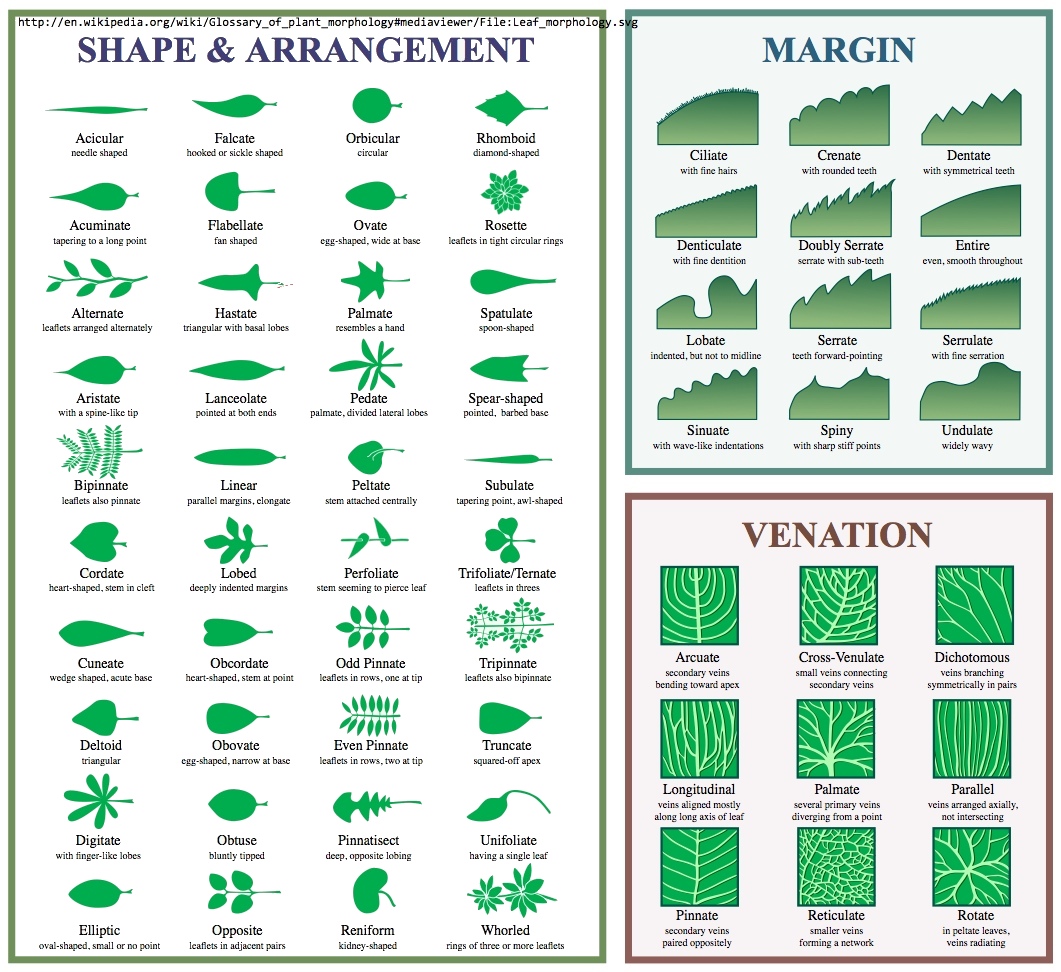
Leaf Shapes Primer - Botanical Terms for Leaves: - Link